Backrooms Entities: Reported Encounters, Unknown Beings, and Unverified Phenomena
Backrooms Entities
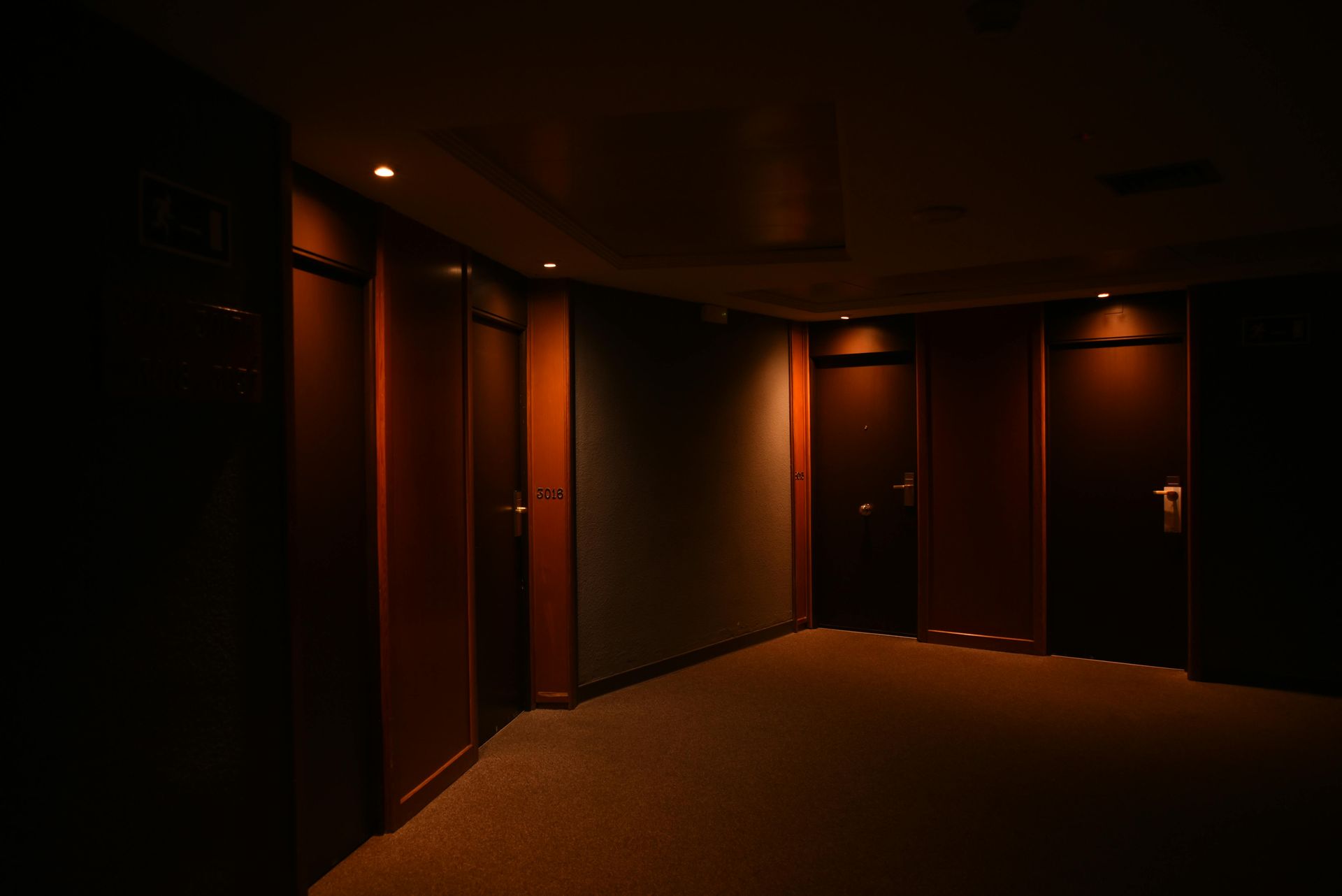
Across Backrooms lore and liminal space reports, certain “entities” are repeatedly described in fragmented accounts, recordings, and community observations. Whether these are misinterpretations of environmental effects, shared hallucination patterns, or something not yet understood, the consistency of descriptions across different sources has made them a central part of Backrooms exploration narratives.
Many of these reports are loosely connected to specific levels of the Backrooms, especially darker, deeper, or less stable regions.
For those mapping real-world liminal environments that resemble these reports, you can explore documented locations here:
The Nature of “Entities” in Backrooms Reports
Within Backrooms documentation, entities are typically described as non-human presences encountered in transitional or unstable spaces. What makes them particularly interesting is not just their appearance, but the consistency of behavioral patterns described across unrelated accounts.
Common characteristics reported include:
- sudden disappearance of sound before encounters
- flickering or unstable lighting conditions
- distorted perception of distance or movement
- a strong sense of being observed
- difficulty confirming visual details clearly
These patterns often appear in environments already associated with liminal architecture or spatial disorientation.
Reported Entity Types
The Smilers (Dark Zone Observations)
One of the most frequently referenced entities appears in low-light environments. Reports describe a floating or fixed presence consisting of reflective eyes and an exaggerated smiling shape that becomes visible only when lighting conditions fail.
Witness accounts often describe:
- detection only during light flicker cycles
- absence of body structure beyond facial features
- immediate withdrawal behavior when directly observed
- persistence in peripheral vision
Some accounts suggest these appearances are tied to unstable lighting fields rather than physical movement.
The Hound-like Entities
Another recurring description involves fast-moving, low-posture humanoid forms observed in long corridor systems or maintenance tunnels.
Commonly reported traits:
- elongated limb structure
- movement patterns closer to quadrupedal locomotion
- avoidance of direct light sources
- apparent recognition of human presence
In several accounts, these entities are described as following movement paths rather than actively engaging, as if navigating through known spatial routes.
Skin-Stealer Phenomena
Some of the most disturbing reports describe entities capable of mimicking human appearance. These accounts are often inconsistent in detail but share a common theme: near-perfect imitation with subtle imperfections.
Frequently noted inconsistencies include:
- delayed or unnatural speech rhythm
- incorrect facial expressions during interaction
- slight asymmetry in movement
- lack of emotional response consistency
Some researchers in the Backrooms community theorize these may represent adaptive camouflage behavior or perceptual misidentification in unstable environments.
Faceling Observations
Faceless humanoid forms are often reported in more populated or structured levels. Unlike other entities, these are frequently described as non-hostile or indifferent.
Typical observations include:
human-like body structure without facial features
routine or repetitive movement behavior
lack of response to direct interaction
presence in groups or clusters
Some interpretations suggest they may represent long-term “stabilized” occupants of Backrooms environments.
Patterns Across Reports
Despite differences in detail, many entity reports share overlapping environmental conditions:
- fluorescent lighting instability
- repetitive architectural layouts
- acoustic distortion or “dead silence” zones
- temporal confusion (loss of time perception)
- difficulty retracing steps
This has led some analysts within the lore community to suggest that entities may not be isolated creatures, but manifestations linked to environmental instability.
Connection to Real-World Liminal Spaces
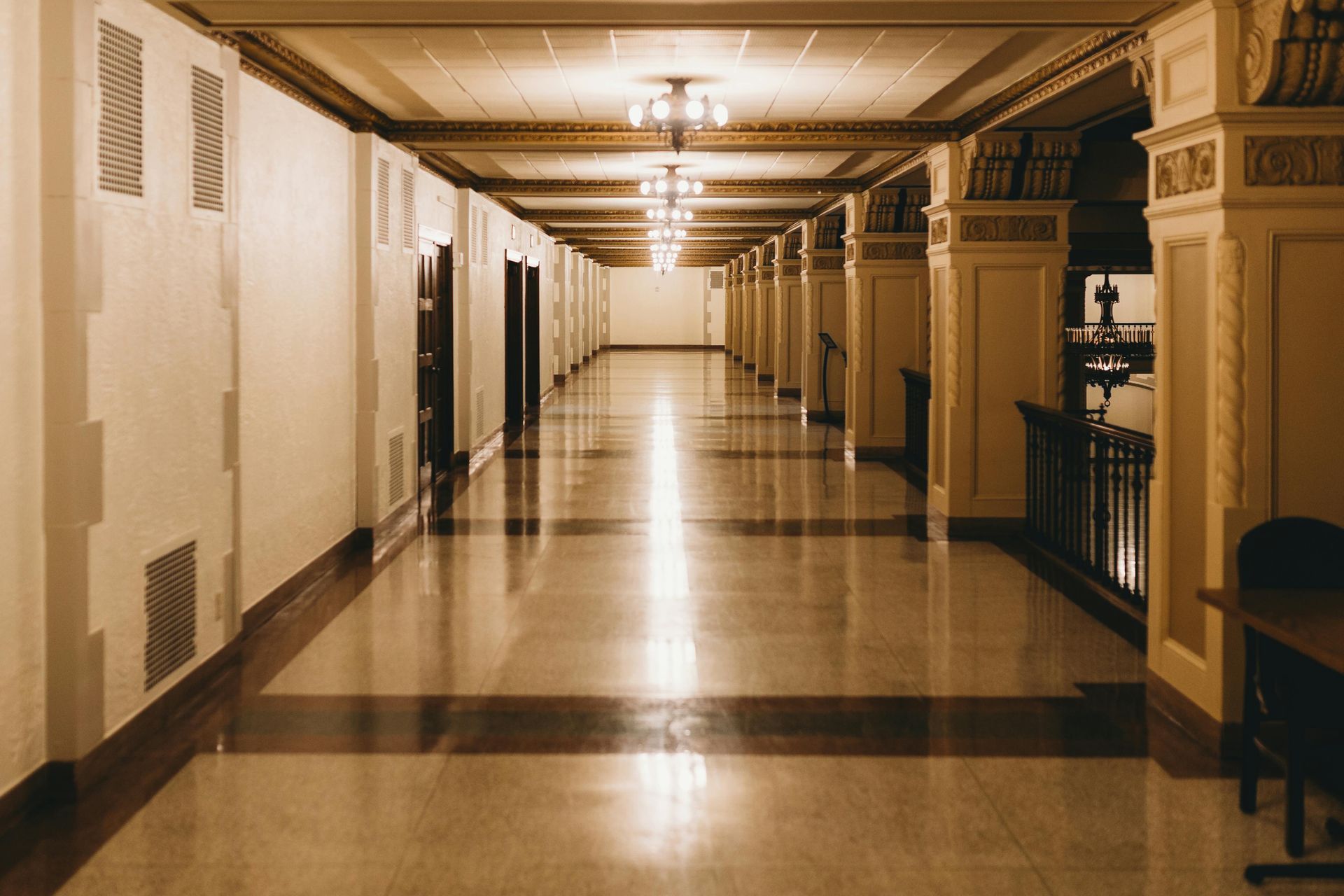
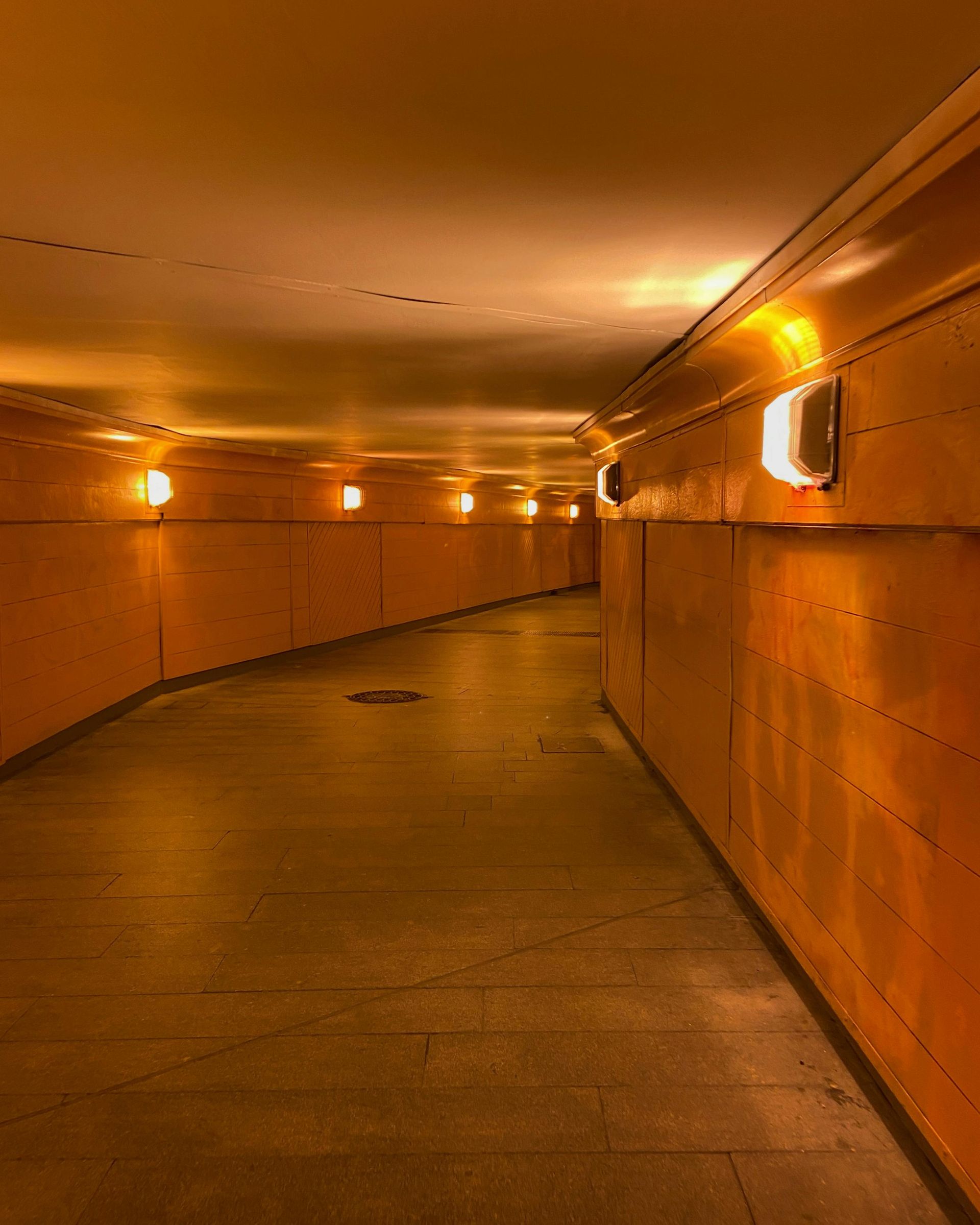
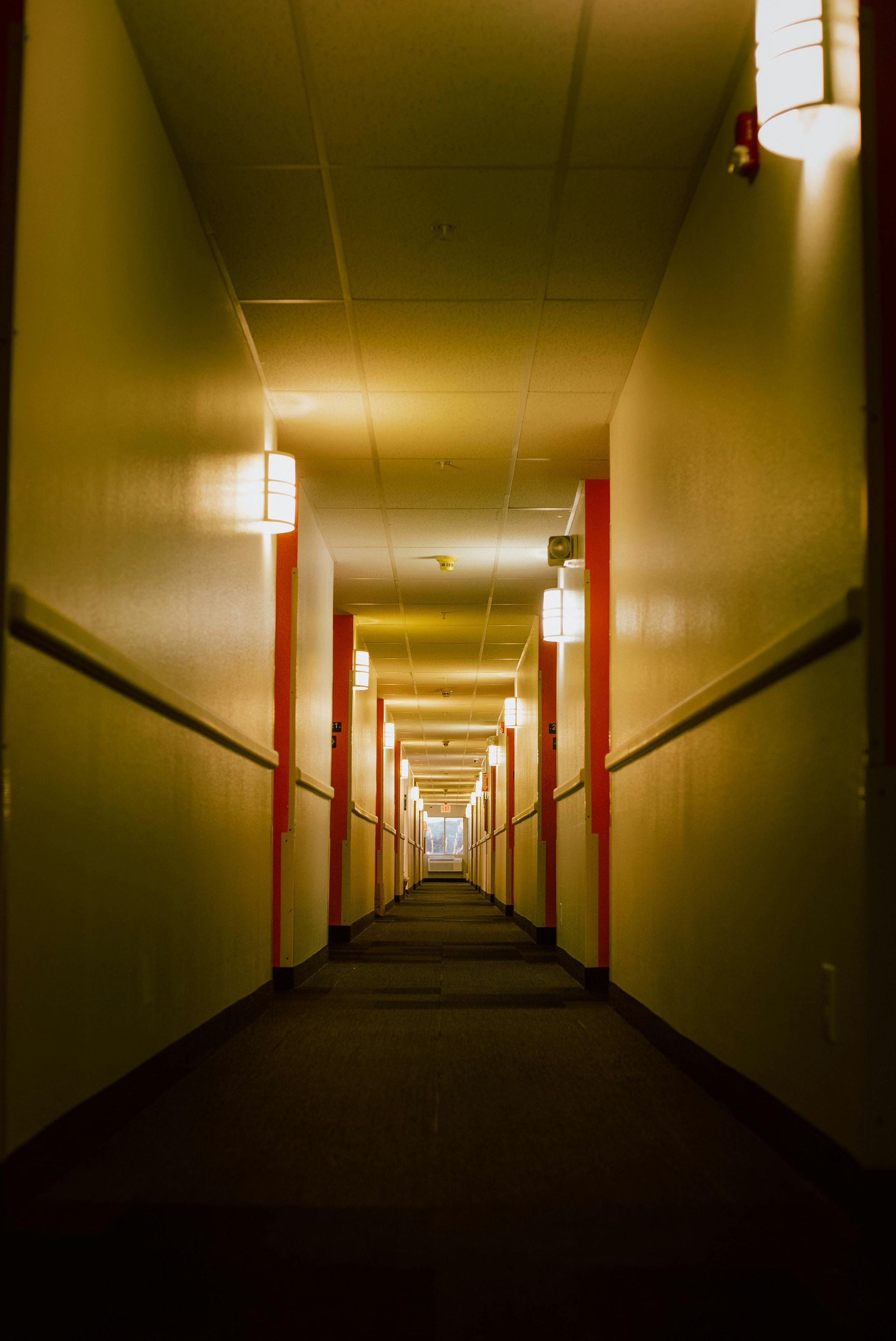
Interestingly, similar perceptions have been reported in real-world environments that resemble Backrooms aesthetics: empty office buildings, underground corridors, and abandoned commercial spaces.
These overlaps include:
- feeling of presence in empty areas
- visual misinterpretation under artificial lighting
- heightened anxiety in repetitive architecture
- perception of movement in peripheral vision
Whether these are psychological effects or something more is still debated in speculative discussions.
To explore real-world locations that match these environments, visit the interactive map:
Ongoing Interpretation
Backrooms entities remain undefined and inconsistently documented, which is exactly why they continue to evolve. Each new account adds another layer to the phenomenon, blurring the line between environmental psychology, collective storytelling, and unexplained experience.
As more liminal spaces are documented and shared, the catalogue of reported entities continues to grow—becoming less a fixed mythology and more an expanding observational framework of the unknown.